Revolut Wins OCC Conditional Approval to Form Revolut Bank US
The OCC has granted preliminary conditional approval for Revolut Bank US, National Association, with FDIC and Federal Reserve approvals still ahead of a planned 2027 launch.
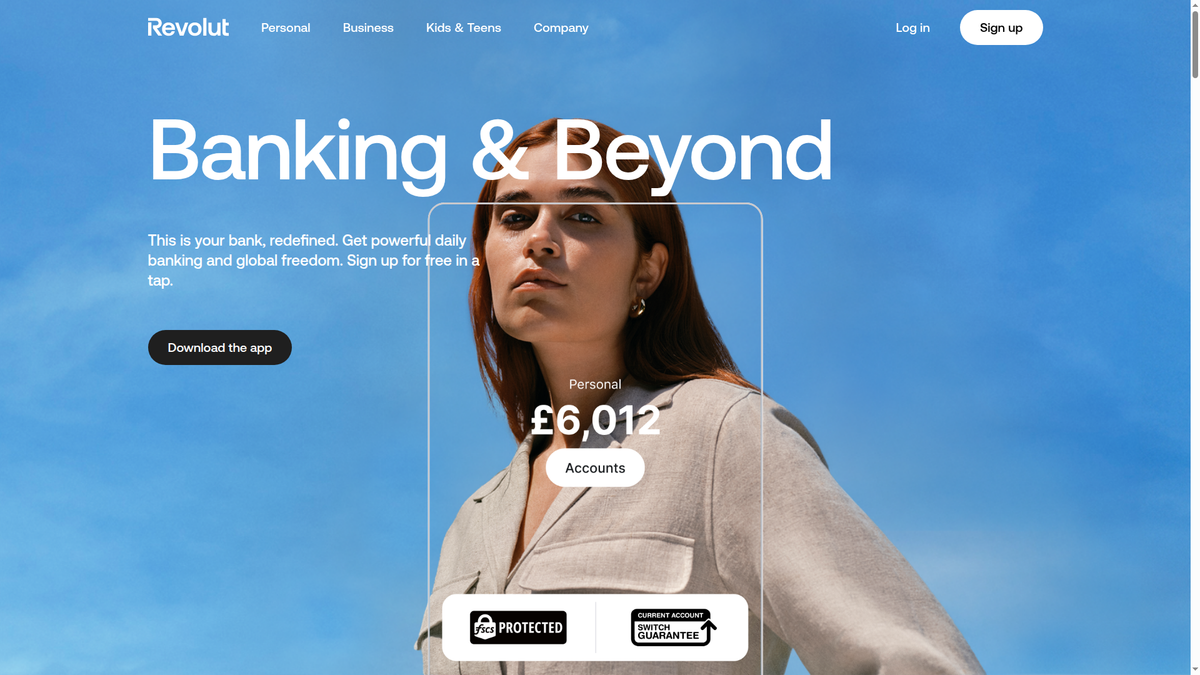
Revolut has received preliminary conditional approval from the Office of the Comptroller of the Currency to form Revolut Bank US, National Association, clearing the most significant regulatory hurdle on the way to a US banking launch.
The OCC granted the approval on 3 September, recorded as Corporate Decision #1390. The proposed bank would be headquartered in Stamford, Connecticut, with an initial capital contribution of approximately $95m.
"Conditional OCC approval is an important first step towards establishing the proposed Revolut Bank US," said founder and chief executive Nik Storonsky. "It gives us the foundation to build in the world's largest financial market and bring the full Revolut experience to millions of Americans."
What is still outstanding
Conditional approval is an organisational green light rather than a licence to open. Revolut must still satisfy the OCC's conditions, obtain deposit insurance from the FDIC, secure Federal Reserve approval and receive the OCC's final authorisation before the bank can begin operating. The company says it remains on schedule for a launch in the first half of 2027.
The OCC's letter also carves out retail foreign exchange activity, which is not covered by the preliminary approval and would require separate supervisory non-objection.
Once open, a national charter would give Revolut FDIC-insured deposits up to $250,000 per account, direct access to Federal Reserve payment systems, and the ability to offer personal loans and credit cards on its own balance sheet rather than through a partner bank.
The strategic picture
Revolut has more than 80 million customers globally, and the US has been the conspicuous gap in that footprint. Operating through partner banks has allowed it to offer accounts without a charter, but at the cost of margin, product control and, critically, the deposit funding that makes consumer lending economics work.
The charter is what closes that gap. It is also what makes the super-app model portable: deposits, credit and cards under one supervised entity, rather than assembled from third parties.
The wider context is a US chartering environment that has become markedly more receptive. The OCC has taken in dozens of new bank applications over the past 18 months, and fintechs that spent years being told a charter was unrealistic are now being processed. Revolut is the largest name yet to get through the first gate, and the FDIC and Federal Reserve stages ahead of it are where several previous applicants have stalled.