The Invisible Bank: When Banking Disappears into Platforms
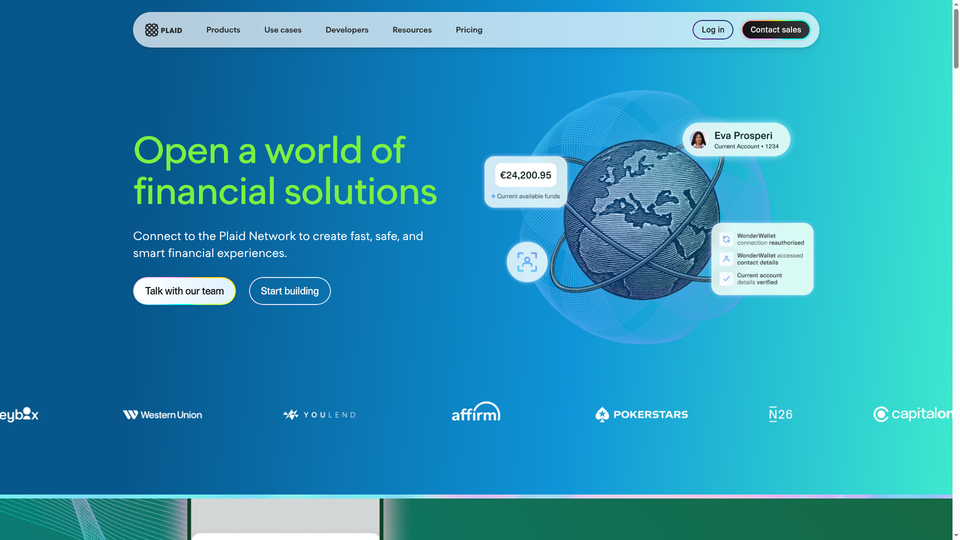
Banking is disappearing into platforms, embedded in the moments where customers actually need it. What this means for banks that still think in terms of channels.
Artificial intelligence is transforming cybersecurity in banking from both sides of the battle line. Threat actors are using AI to craft more convincing phishing campaigns, automate vulnerability discovery, and evade traditional defences, while banks are deploying AI-powered detection, response, and threat intelligence systems to keep pace. This 63-page report examines how the cybersecurity landscape is being reshaped by AI and what it means for banking security strategy.
Drawing on threat intelligence data, vendor assessments, and interviews with CISOs at 20 major banks, the report provides a practical assessment of both the offensive and defensive applications of AI in financial services cybersecurity.
Key Findings
- AI-enhanced social engineering attacks have increased 300% year-on-year - deepfake voice and video, AI-generated phishing content, and automated pretexting are dramatically lowering the cost and increasing the effectiveness of social engineering, making it the fastest-growing attack vector against financial institutions.
- Defensive AI is proving most effective in detection, not prevention - machine learning models are significantly improving anomaly detection, fraud identification, and threat hunting, but fully automated response systems remain limited by false positive rates and the risk of AI-triggered operational disruption.
- Identity and access management is being fundamentally rethought - the convergence of AI-powered attacks on authentication systems and AI-enabled behavioural biometrics is driving a shift from credential-based to continuous, context-aware identity verification.
- Data security concerns are intensifying with AI adoption - the data requirements of AI systems are creating new attack surfaces and exfiltration risks, particularly where training data includes sensitive customer information or proprietary business logic.
- Skills shortages are worse in AI-era cybersecurity - the intersection of AI expertise and cybersecurity knowledge is an extremely thin talent pool, forcing banks to invest heavily in upskilling existing security teams and competing aggressively for a small number of specialists.
What the Report Covers
- Executive Summary - Platform dominance and the disappearing bank interface
- Embedded Finance Evolution - Market maturity and second-generation models
- Customer Ownership - Who controls the relationship in platform-mediated banking
- Platform Economics - Revenue shifts and margin redistribution
- Case Studies - Leading platforms and banking infrastructure providers
- Strategic Implications - How banks should position for an invisible future
Who Should Read This
This report is aimed at CISOs, heads of information security, and security architects responsible for defending financial institutions against evolving threats. It is also relevant for CIOs and CTOs integrating AI into security operations, CROs assessing technology risk exposure, and board audit committees seeking to understand how AI is changing the cybersecurity threat landscape and what their institution's response should be.
For enquiries about accessing this report, contact [email protected]