UK mutuals walk away from Atom Bank as £600m sale process nears collapse
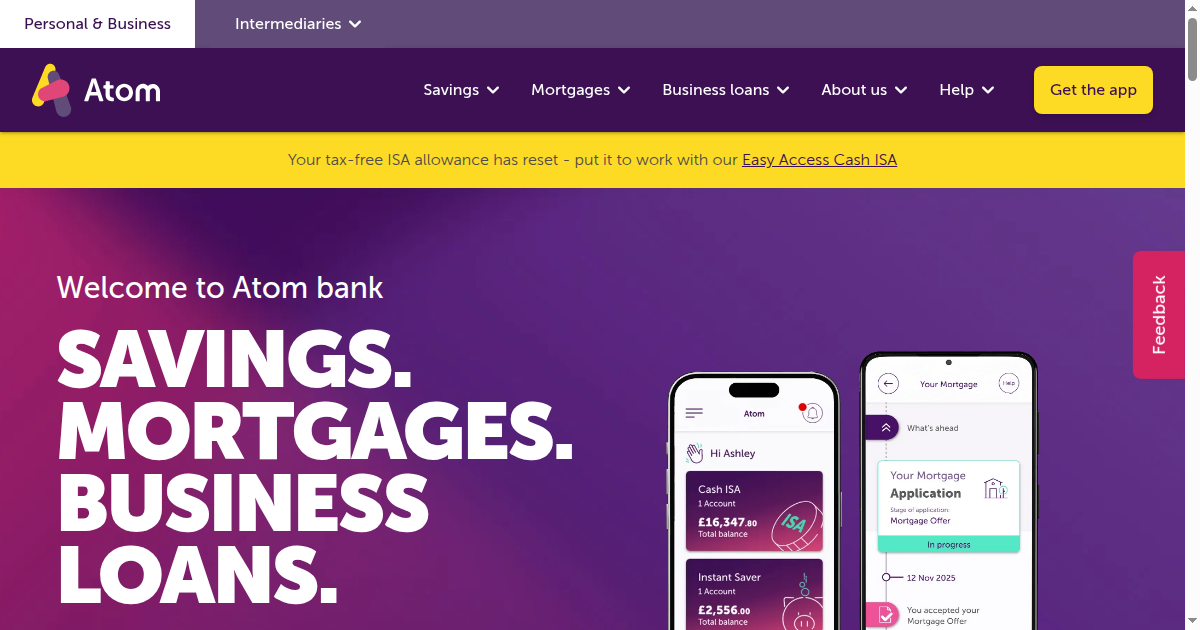
The auction of Atom Bank is close to unravelling. Yorkshire Building Society and Leeds Building Society, the two mutuals whose interest in the Newcastle-based digital lender made headlines in early June, have both looked at the business and decided not to bid, leaving the sale process without the anchor buyers its shareholders were counting on.
Atom's owners, which include Spain's BBVA, asset manager Toscafund and Infinity Investment Partners, appointed Jefferies to run a sale earlier this year after repeatedly deferring a stock market listing. They were seeking more than £600m for a bank with roughly 250,000 customers, around 600 staff and a substantial savings and mortgage book. That price was always ambitious: Atom's most recent fundraising valued it at about £350m, itself down from £459m in 2022.
The only firm offer to emerge came from private equity group Pollen Street Capital, which bid below the sellers' expectations and, according to people familiar with the process, is not minded to move materially higher. Pollen Street already owns Tandem, so a successful bid would have opened the door to combining two mid-sized UK digital lenders. Several other banks reviewed the business and passed. Shareholders are now weighing whether to halt the process altogether.
The retreat of the two building societies is the part that should interest the wider industry. The original story was framed as the next act in a mutual consolidation wave: Nationwide's £2.9bn takeover of Virgin Money in 2024, followed by Coventry Building Society's £780m acquisition of The Co-operative Bank. Buying Atom would have handed a mid-sized society a ready-made digital platform, a banking licence and a route into current accounts and business lending without the multi-year cost of building it.
That logic has not gone away, but the price attached to it evidently has. Mutuals answer to members rather than shareholders, and a board asked to pay a premium over the last private round for an unlisted challenger with thin profitability has a difficult conversation ahead of it. Nationwide and Coventry both bought scale, deposits and customers at prices they could defend on member value. A £600m technology bet is a different proposition.
For the challenger sector, the read-across is uncomfortable. Atom is not a struggling business, but it is a reminder that being neither a Revolut nor a mainstream lender leaves limited exit options. If the process is formally shelved, Atom faces a return to the IPO question it has already dodged more than once, most likely from a weaker negotiating position. Nothing has been agreed, and no party has commented publicly, but the balance of power in this deal has shifted decisively towards the buyers.