Klarna Applies for a U.S. Banking Licence
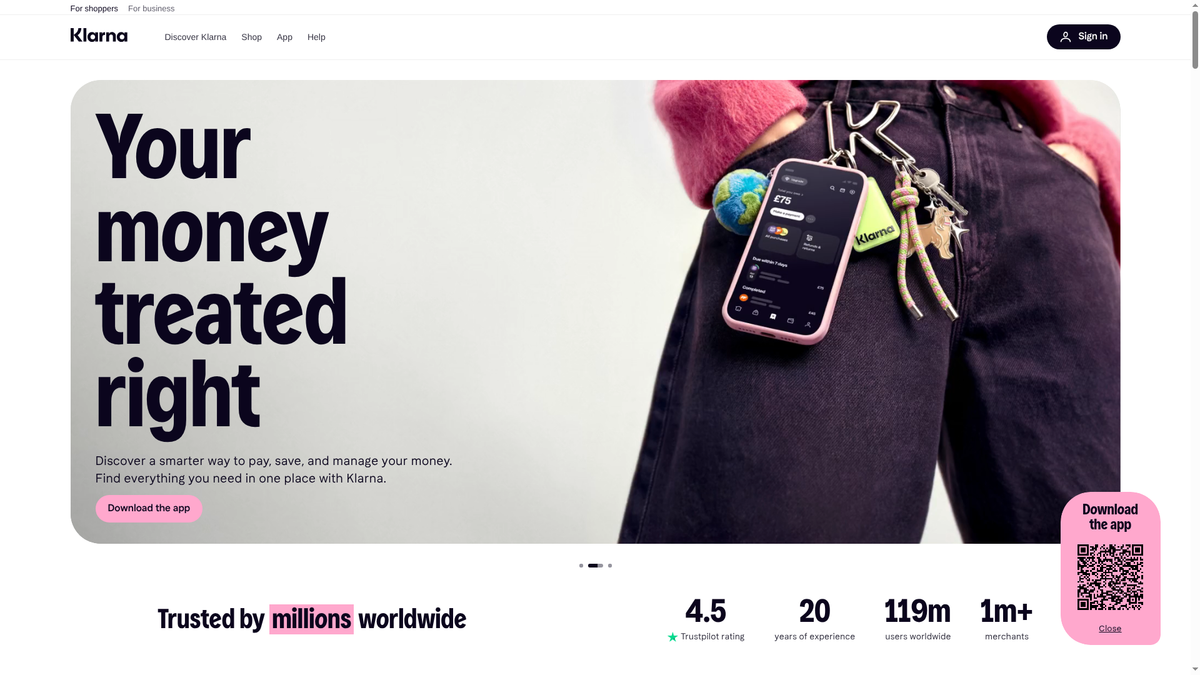
Klarna has moved to become a fully regulated bank in the United States, submitting applications to the Utah Department of Financial Institutions and the Federal Deposit Insurance Corporation to establish Klarna Bank USA, a proposed Utah-chartered industrial bank.
If approved, Klarna Bank USA would operate as a wholly owned subsidiary of Klarna Inc., FDIC-insured and run with its own independent board, governance and internal controls. The structure would let Klarna bring its existing US banking operations in-house rather than relying on third parties, strengthening reliability across payments, savings, credit and merchant services.
The application marks a significant step for a company that has, until now, served American customers through partner banks. Klarna has been a licensed bank in Europe since 2017, and securing its own US charter would bring the same model to its largest growth market. The firm has extended more than $91.3 billion in credit to US consumers since 2019, saved them over $5.1 billion in interest compared with revolving credit card debt, and now counts 30 million Americans as annual users.
Klarna has selected Gary Harding to serve as President and CEO of Klarna Bank USA. Harding brings more than a decade of C-suite experience across US financial services, having previously served as Chairman and CEO of Milestone Bank and President and CEO of Prime Alliance Bank.
"Banking is built on trust. We've seen firsthand the appetite for a fairer, more transparent approach in the U.S., and our own banking license is the natural next step, giving customers tools to borrow responsibly and build financial confidence, while bringing greater competition, innovation, and choice to consumers and merchants alike," said Sebastian Siemiatkowski, Klarna co-founder and CEO.
An industrial bank charter is a route several fintechs have eyed as a way to operate their own regulated deposit-taking institution without becoming a bank holding company. For Klarna, a direct charter would reduce its dependence on partner banks and give it tighter control over the products it offers, from installment credit to savings, as it pursues sustainable growth in the US market.
Full details are set out in Klarna's announcement.