Lloyds Bets on AI in the Boardroom in FTSE 100 First
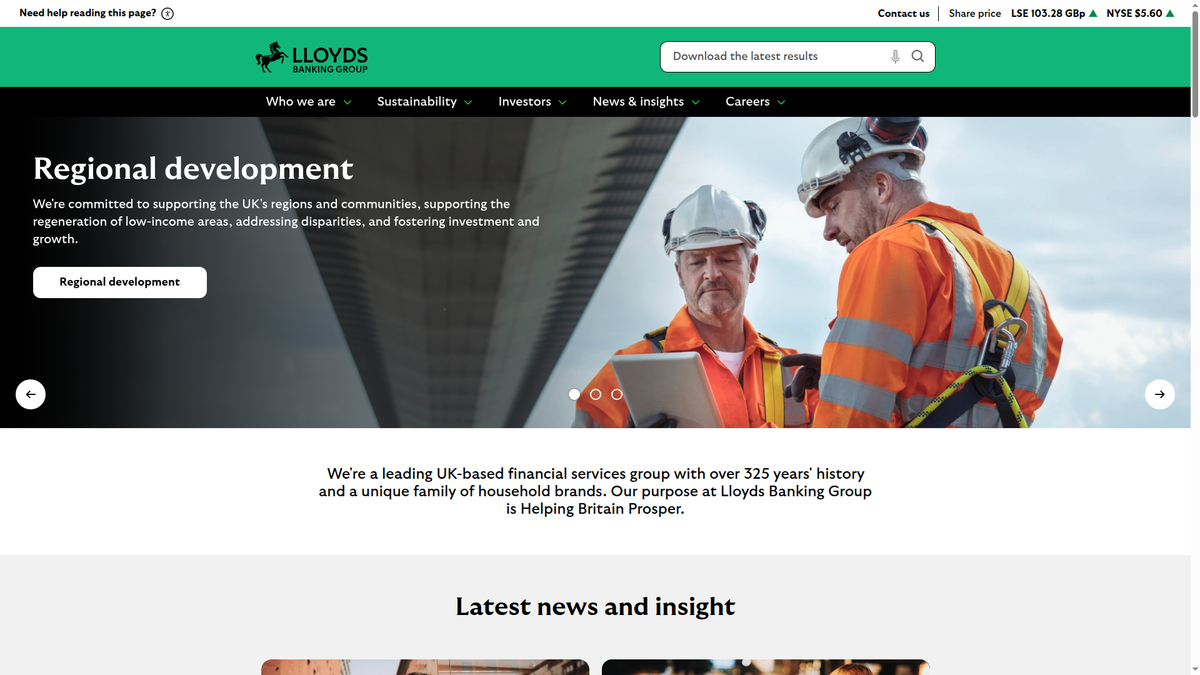
Lloyds Banking Group is, as far as has been publicly reported, the first FTSE 100 company to put its name to using an AI agent at board level, granting a software system access to confidential board materials to help its directors prepare for and make better decisions.
The tool, built by London-based board effectiveness firm Board Intelligence, has been trained on the bank's board packs and related governance documents. It is currently being used to help executives and non-executive directors prepare ahead of meetings, covering areas including cybersecurity, sustainability, financial analysis and M&A guidance.
Board Intelligence CEO Pippa Begg, speaking to The Times, which first reported the deployment, described the current setup as "step one", in which AI is used to help individuals consume information and test their judgements before walking into the boardroom.
Her ambition goes further. A later phase could see the AI intervene in live board discussions, flagging cognitive traps or challenging assumptions in real time. "Hang on, I think you're falling into this trap", or "I disagree", is how Begg framed the potential future capability. Giving the AI a formal legal vote, however, has been ruled out as a step too far.
Governance, not gimmick
The deployment matters because of where it sits. Most genAI pilots at big banks so far have focused on customer service, developer productivity, or marketing copy. Putting an AI agent into the room where a FTSE 100 bank's most sensitive decisions are taken, and giving it access to the papers that underpin those decisions, is a meaningfully different move. It puts questions about model governance, data confidentiality, audit trails and director accountability front and centre.
Board Intelligence already provides board portal and reporting software used by a large proportion of FTSE and Fortune listed companies. Its Lucia platform, an AI-powered reporting assistant, is the engine behind much of its recent pitch to boards wrestling with ever-larger board packs and shorter preparation windows.
For Lloyds, the move fits a broader narrative the group has been pushing around "agentic AI" as the defining theme of 2026. Chief executive Charlie Nunn has publicly backed AI as central to the bank's strategy, and Lloyds has been rolling out AI-driven tooling across coding, customer service and internal knowledge workflows.
What other banks will be watching
Every other UK bank board will now be asking the same questions. If Lloyds' directors can lean on an AI agent to cut through a 400-page board pack, surface the right questions, and reduce the scope for pet theories and groupthink, that is a governance upgrade with real competitive value. If something goes wrong, it is also a brand new category of regulatory and reputational risk.
This is a story that will run. Expect the PRA and FCA to take a close interest in how this is documented, what controls sit around the AI's access to confidential data, and how any "advice" it offers is recorded. Expect proxy advisers and institutional shareholders to start asking boards at other banks what their equivalent plans look like. And expect the vendors serving this space to sharpen their pitches fast.
For now, Lloyds gets to claim a first. Whether that first becomes a template or a cautionary tale will depend on what the bank does with it over the next twelve months.