KOHO Raises $130M CAD to Fund Push for Canadian Bank Licence
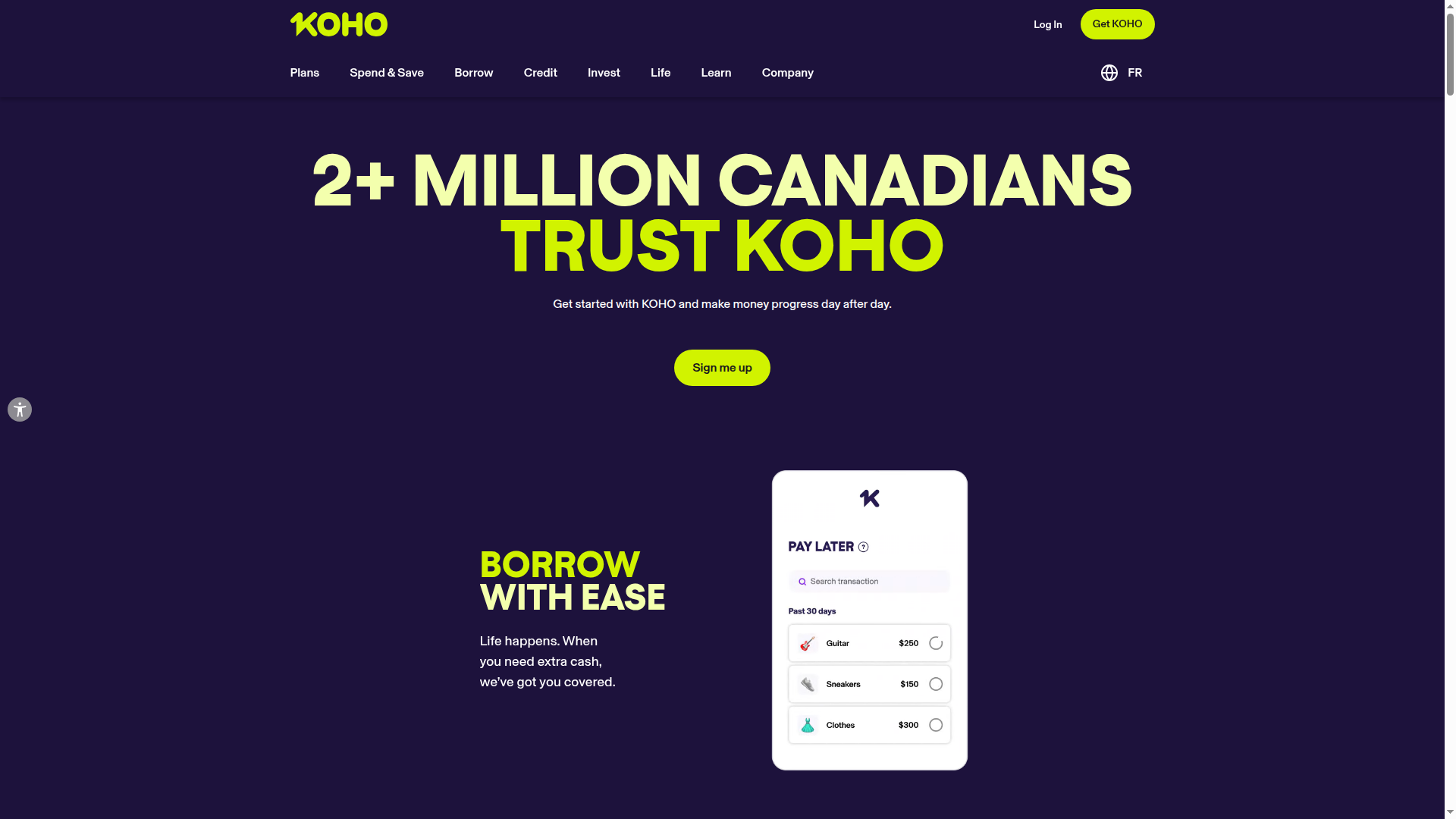
Canadian fintech KOHO has raised $130 million CAD, a fresh injection of capital that the company describes as the last piece of the puzzle in its long-running bid to become a fully regulated Canadian bank. The round values the Toronto-based firm at $1.33 billion CAD, confirming its standing among the country's growing cohort of fintech unicorns.
The financing was co-led by Mubadala, the Abu Dhabi sovereign wealth fund, and Baltimore-based Savano Capital Partners. They were joined by a notable set of new backers, including Shopify founder and chief executive Tobi Lutke and Affirm chief operating officer Michael Linford. Existing investors Portage Ventures, Drive Capital, BDC Capital, the Healthcare of Ontario Pension Plan and Eldridge also returned to the table. The raise brings KOHO's total capital secured since its 2014 launch to roughly $507 million CAD.
The strategic thrust is unambiguous. KOHO has spent years pursuing a Schedule I bank licence, the federal designation that would place it alongside Canada's incumbent lenders. The company first applied in 2021 and entered the second phase of the regulatory process in early 2024. Management now expects approval could arrive as early as this year. This latest round supplies the initial capital base that a federally regulated bank is required to hold, which is precisely why KOHO frames it as the final step rather than just another growth round.
A Schedule I licence would be transformative for the business. It would allow KOHO to accept customer deposits directly rather than relying on partner institutions, opening the door to a far cheaper and more stable funding base. The company has indicated that deposit funding could cut its cost of capital dramatically against current arrangements, in turn supporting expansion into lending and a broader product range. Greater product flexibility and strengthened consumer protections are also cited as benefits of operating under direct federal regulation.
KOHO arrives at this point with meaningful scale. The firm now serves more than 2.5 million Canadians, employs around 250 people and reports annual revenue north of $200 million CAD, growing at roughly 50 percent year over year. Founder and chief executive Daniel Eberhard said the assembled investor group reflects a shared belief that the next great Canadian bank needs to be built differently, and that KOHO is the team to build it.
The move lands in an increasingly competitive Canadian neobanking market. KOHO sits alongside fellow billion-dollar fintechs such as Wealthsimple and Nesto, all circling the retail banking franchises long dominated by the country's big five lenders. Should KOHO secure its licence, it would become one of the first challengers in a generation to win deposit-taking bank status in Canada, a milestone that could reshape competitive dynamics in a notoriously concentrated market.
By Pete Sadler